Just Moved In? Why Rekeying Your Locks Should Be First on Your List
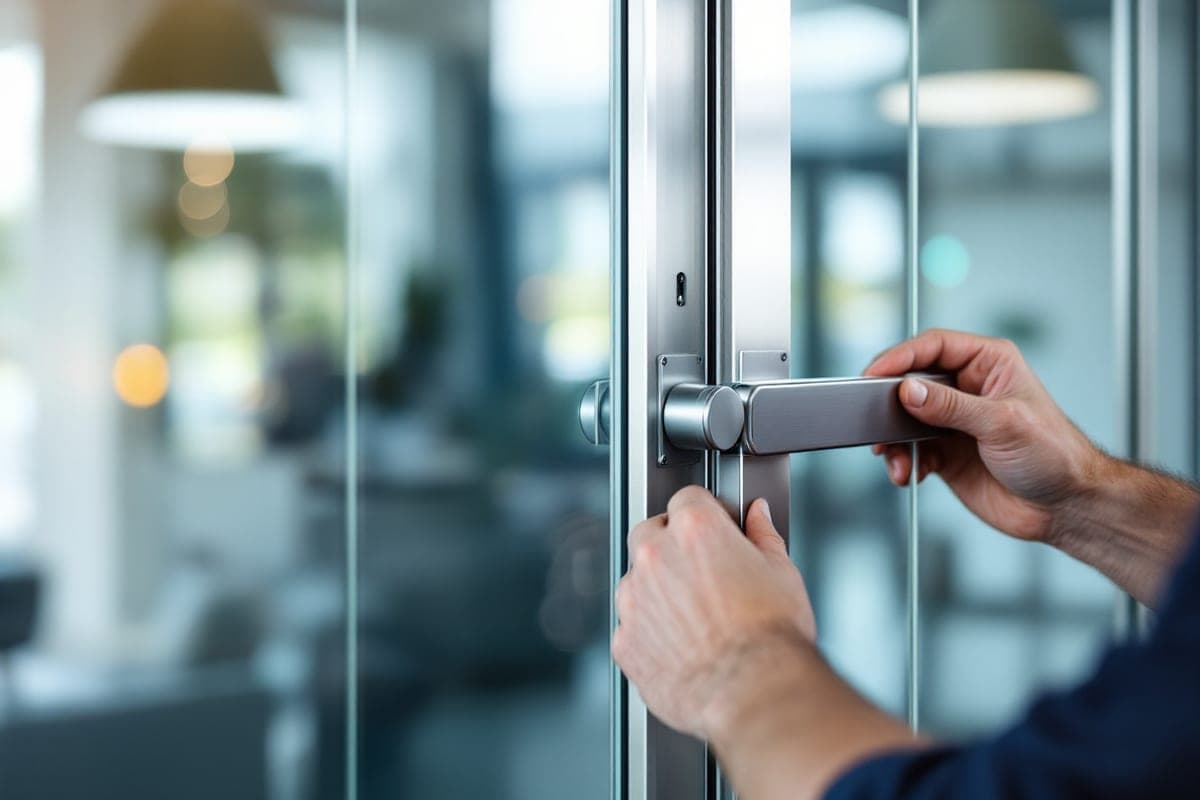
You've signed the papers, hired the movers, and finally collapsed onto a couch in a house that's officially yours. Between unpacking boxes and figuring out which switch controls which light, one task rarely makes the top of the to-do list — but it should. If you don't know exactly who has a key to your front door, you don't fully control who can walk through it. Rekeying your locks the moment you move in is one of the fastest, cheapest, and most overlooked ways to protect your new home.
Why Rekeying Matters More Than You Think
When you buy or rent a property, you inherit its lock history along with its address. Every previous owner, tenant, roommate, contractor, dog walker, real estate agent, and house-sitter who ever had a key over the life of that home could, in theory, still have one. Most people don't bother collecting every copy before they move out — and some duplicate keys get made without anyone ever knowing.
That's the core reason to rekey locks after moving in: you have no reliable way to account for every key floating around. A previous owner might have handed a spare to a neighbor for emergencies. A property manager might have given keys to multiple maintenance crews over the years. A tenant three leases ago might have made a copy "just in case" and forgotten to return it. None of that is necessarily malicious — but it means people you've never met could have access to your home.
The Difference Between Rekeying and Changing Locks
These two terms get used interchangeably, but they aren't quite the same thing:
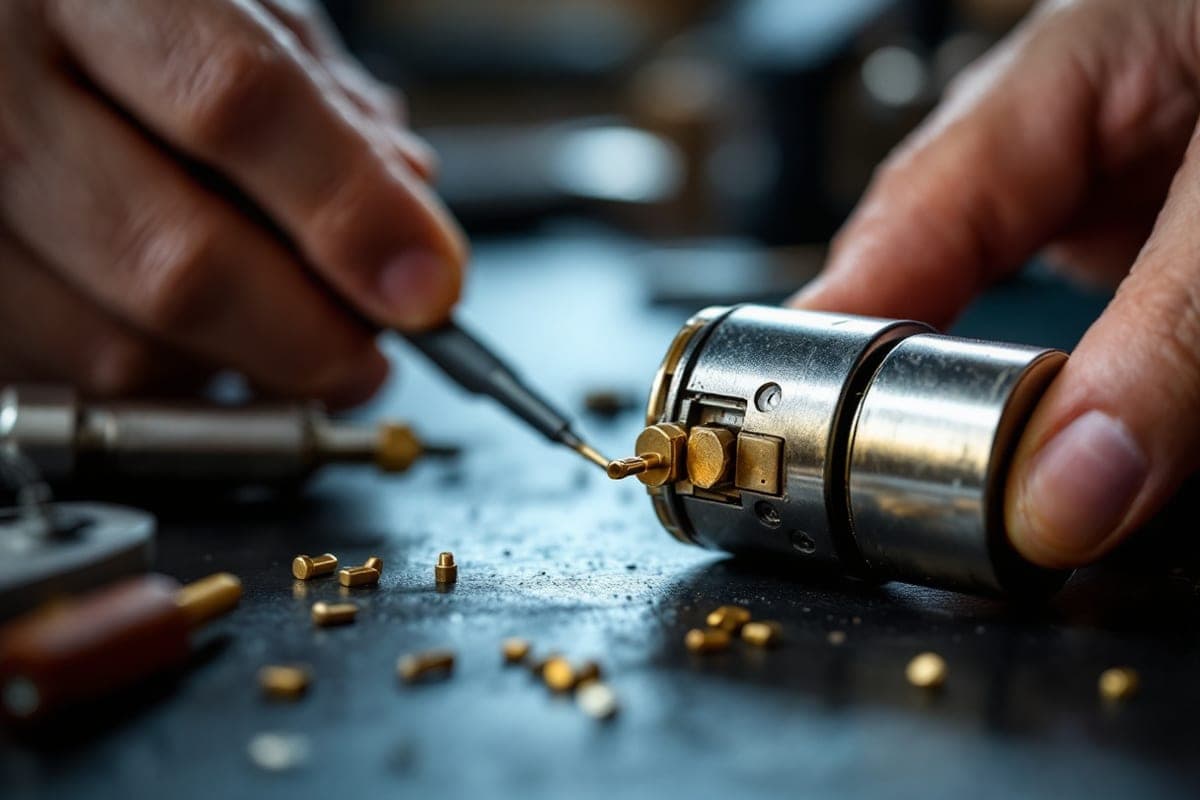
- Lock rekey means a locksmith changes the internal pin configuration of your existing lock cylinder so that old keys no longer work, and new keys are cut to match. The hardware on your door stays the same — only the "code" the lock accepts changes.
- New lock installation means replacing the entire lock hardware — the cylinder, housing, and sometimes the strike plate — with a brand-new unit.
For most move-in situations, a rekey is the faster and more budget-friendly option, especially if your existing locks are in good physical condition and you're happy with how they look. If your locks are old, damaged, low-quality, or you want to upgrade your home security locks to a higher security grade, new lock installation makes more sense. A qualified residential locksmith can evaluate your doors and recommend whichever approach actually fits your situation, rather than upselling you on hardware you don't need.
When You Should Rekey Your Locks
Moving into a new home is the most obvious trigger, but it's far from the only one. Consider rekeying any time one of these situations applies:
- You just closed on a house and want to change locks after buying a house, before you even move furniture in
- You're renting a new apartment or home and want peace of mind beyond what the landlord tells you
- You went through a breakup, divorce, or roommate change and want to make sure old keys are useless
- You lost a key or had one stolen and can't account for it
- A key was given to a contractor, cleaner, or service provider and never returned
- You experienced a break-in attempt, even if it wasn't successful
- You're a landlord handling tenant turnover rekey between renters
Buying a Home: Don't Assume the Seller Handed Over Every Key
It's easy to assume that once you have the keys the seller left on the counter, you have all of them. In reality, most sellers genuinely don't remember everyone who's had access over the years. Rekeying is standard advice from real estate agents and security professionals alike, precisely because it closes that gap cheaply. Doing it before you move boxes in — rather than after — means you're never living in the house with an unknown number of active keys out there.
Renting: Ask, But Don't Rely Solely on the Landlord
Many landlords do rekey between tenants as standard practice, but not all of them do, and enforcement varies. If you're renting, it's reasonable to ask your landlord directly whether the locks were rekeyed since the last tenant moved out. If they can't confirm it, or if you simply want independent verification, you can hire your own residential locksmith to rekey the locks — just be sure to check your lease first, since some agreements require landlord approval or a copy of the new key to be provided to management. This is also where a professional tenant turnover rekey process matters for landlords: a documented, consistent rekeying policy between every lease protects both the property owner and future tenants.
Life Changes: Roommates, Relationships, and Shared Keys
Anytime a key has been in someone else's pocket for an extended period — a former roommate, an ex-partner, a family member who moved out — it's worth considering a rekey, even if the relationship ended amicably. This isn't about assuming the worst of anyone; it's about maintaining a clear, current record of exactly who can enter your home without you letting them in.
What Happens During a Professional Rekey
If you've never had locks rekeyed before, the process is more straightforward than most homeowners expect. A locksmith will typically:
- Inspect each lock to confirm it's in working condition and compatible with rekeying
- Remove the lock cylinder and take apart the pin tumbler mechanism
- Replace the existing pins with a new set that matches a new key pattern
- Reassemble the cylinder and test it with the new keys
- Cut and provide you with the number of new keys you need
The whole job, for a typical front door and back door, usually takes well under an hour once a locksmith is on-site — far less time than most people assume. And because it's labor rather than new hardware, rekey locks pricing is generally lower than full lock replacement, which is part of why it's such a practical first step after a move.
Keyed Alike Locks: One Key for Every Door
If your home has several exterior doors — a front door, back door, side door, maybe a garage entry — you've probably dealt with the annoyance of juggling multiple keys just to get from your car to your kitchen. During a rekey, you can request keyed alike locks, meaning every exterior lock is set to accept the exact same key. Instead of a bulky keyring with a label for each door, you carry one key that works everywhere it needs to.
This is a small convenience with a real security upside too: fewer physical keys in circulation means fewer keys that can be lost, copied without your knowledge, or left with someone by accident. Most residential locksmiths can set up keyed alike locks as part of the same visit, at little to no extra cost over rekeying each lock separately.
Rekeying vs. Upgrading: When to Consider New Hardware
Rekeying restores control over who can get in — it doesn't necessarily improve the underlying strength of the lock itself. If your current locks are older, made from lower-quality materials, or simply not rated for the level of security you want, moving in is also a natural moment to talk to a locksmith about upgrading.
A few upgrades worth discussing during a move-in security visit:
- Deadbolt installation on any exterior door that doesn't already have one — a good deadbolt is one of the single most effective, affordable upgrades for home security locks
- Grade 1 or Grade 2 commercial-grade deadbolts for doors that take a lot of daily use or face higher-traffic areas
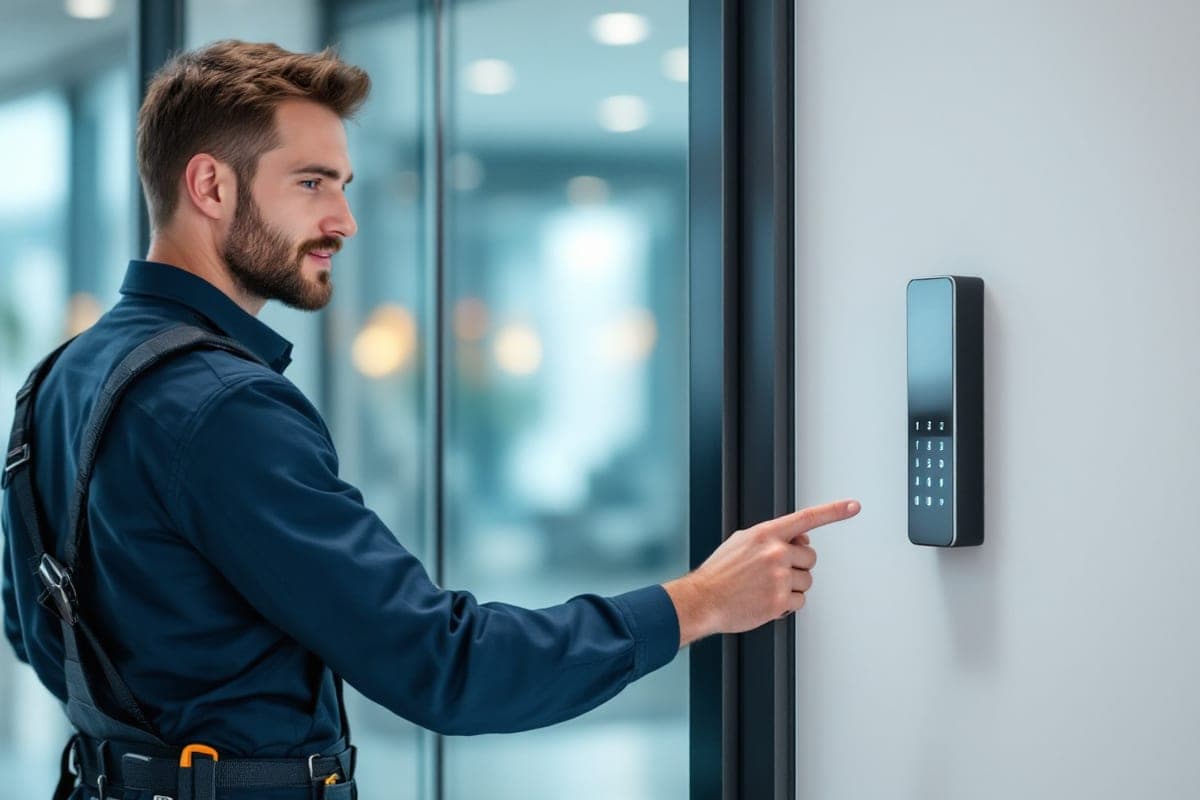
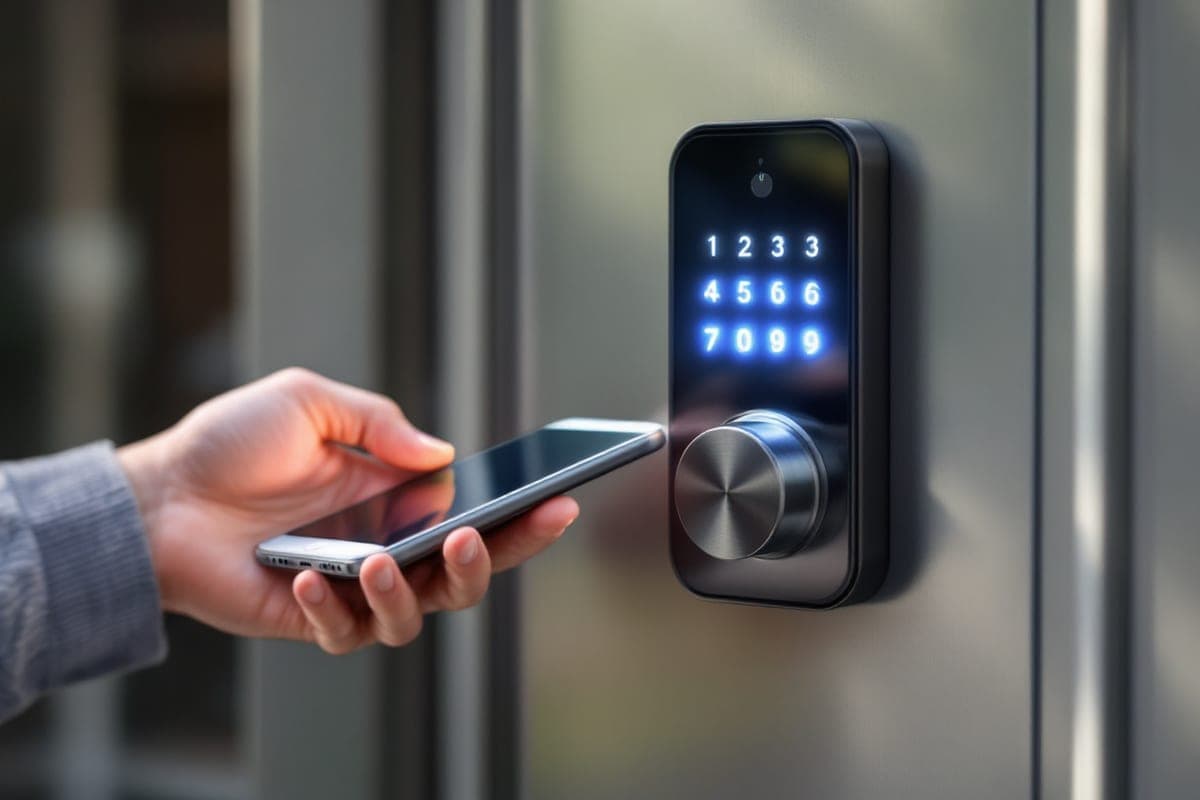
- Smart locks if you want keyless entry, temporary codes for guests or service providers, or remote access control
- Reinforced strike plates to make forced entry significantly harder, especially on older door frames
None of these require abandoning the rekey — in fact, they usually happen at the same appointment. A locksmith can rekey your existing hardware where it makes sense and recommend deadbolt installation or hardware upgrades only where the current locks genuinely fall short.
A Simple Move-In Security Checklist
Rekeying is the anchor task, but it's worth pairing with a broader walk-through of your new home's security once you've got the keys:
- Rekey or replace all exterior door locks
- Test every window lock, including sliding doors
- Check garage door entry points, including any side doors and the keypad code
- Reset or reprogram any existing smart home security systems, alarm codes, or garage door openers
- Confirm exterior lighting works at every entry point
- Locate and test any existing deadbolts, and add deadbolt installation where missing
Handling all of this in the first week you're in the home means you're never guessing about who or what has access while you settle in.
Why Work With a Licensed Residential Locksmith
It can be tempting to treat rekeying as a DIY project, and for some lock models it's technically possible with a rekey kit from a hardware store. But a licensed, bonded, and insured residential locksmith brings a few advantages worth the modest cost: they carry the pinning kits and tools to work efficiently across many lock brands, they can spot worn or compromised hardware you might miss, and they can advise you honestly on whether a rekey or a full new lock installation is the better call for your specific doors.
Chida Locksmith is a mobile, 24/7 residential locksmith serving the entire San Francisco Bay Area — from Fremont and the East Bay to San Francisco, the Peninsula, and beyond. Because the team comes to you, a move-in rekey doesn't require you to schedule around a shop's hours or fit it in between unpacking sessions; it can happen on your timeline, often the same day.
Frequently Asked Questions
How much does it cost to rekey locks compared to replacing them?
Rekeying is typically less expensive than full lock replacement because it reuses your existing hardware and only involves labor and new pins/keys. New lock installation costs more because it includes the price of new hardware in addition to labor. The right choice depends on the condition and quality of your current locks — a locksmith can give you an accurate quote after inspecting your doors.
Can all locks be rekeyed, or do some need to be replaced?
Most standard pin tumbler locks — including the majority of residential deadbolts and knob locks — can be rekeyed. However, locks that are damaged, extremely old, or of very low quality sometimes aren't good candidates for rekeying and are better replaced outright. A locksmith can tell you within minutes of inspecting the lock which route makes sense.
Should I rekey or fully replace my locks after buying a house?
For most homebuyers, rekeying is sufficient to change locks after buying a house, since it eliminates old keys just as effectively as replacement while costing less. Full replacement makes more sense if you want to upgrade to higher-security hardware, if the existing locks are outdated or worn, or if you simply prefer new hardware for aesthetic reasons.
How long does a rekey take once a locksmith arrives?
For a typical home with two or three exterior doors, rekeying usually takes under an hour. Larger homes with more entry points, or locks in poor condition, may take a bit longer, but it's generally one of the quickest residential locksmith services available.
As a landlord, how often should I rekey between tenants?
A tenant turnover rekey should happen after every single lease ends, before a new tenant moves in — no exceptions, even if you trust the outgoing tenant returned all their keys. This protects both you and your incoming tenant, and demonstrates a consistent, professional security standard across your rental property.
Make Rekeying Your First Move-In Task
Unpacking can wait a day. Knowing exactly who holds a key to your home shouldn't. Whether you just bought a house, signed a new lease, or are managing tenant turnover on a rental property, rekeying your locks is a small investment that closes a real security gap immediately.
Chida Locksmith is a licensed, bonded, and insured mobile locksmith available 24/7 across the San Francisco Bay Area, offering lock rekey services, keyed alike setups, deadbolt installation, and full new lock installation for homeowners, renters, and landlords alike. Call (510) 690-5660 today to schedule your move-in rekey and start settling into your new home with real peace of mind. </markdown>
Need a locksmith in the Bay Area?
Chida Locksmith is available 24/7 with fast mobile service and upfront pricing.
(510) 690-5660