A Business Owner's Guide to Commercial Locksmith Services
If you own or manage a business, your locks and access points do more than keep the door shut — they protect inventory, equipment, employee safety, and the countless hours you've put into building your company. Yet commercial security is often an afterthought until something goes wrong: an employee leaves with a copy of the master key, a break-in exposes a weak storefront lock, or a fire marshal flags your exit doors during an inspection. This guide walks through what every business owner in the San Francisco Bay Area should know about commercial locksmith services — from everyday lock repair to full access control installation — so you can make informed decisions before a crisis forces your hand.
Why Commercial Security Is Different From Residential
Home locksmithing and commercial locksmithing overlap in some basic mechanics, but the stakes and requirements are not the same. A house typically has a handful of doors and one or two sets of keys to manage. A business — whether it's a retail storefront, restaurant, office suite, warehouse, or multi-tenant building — often has dozens of doors, multiple departments, vendors who need occasional access, and legal obligations around fire codes and accessibility.
A qualified commercial locksmith understands these added layers: building and fire codes that dictate hardware on exit doors, ADA requirements for door hardware, insurance and liability considerations, and the operational reality that a business often can't afford to close its doors while security work is done. That's why so many Bay Area businesses rely on a mobile, 24/7 commercial locksmith who can work around business hours rather than disrupt them.
Core Commercial Locksmith Services Every Owner Should Know
Master Key System Design
A well-designed master key system is one of the most valuable investments a growing business can make. Instead of juggling a separate key for every door, a master key system lets you assign different access levels to different people — a store manager might carry a master key that opens every door, while a part-time employee's key only opens the front entrance and stockroom.
Benefits of a properly engineered master key system include:
- Reduced key clutter for managers and owners who oversee multiple areas
- Controlled access levels by role, department, or shift
- Easier onboarding and offboarding of staff
- A documented key hierarchy that can be audited and adjusted as the business grows
Designing a master key system isn't something to DIY with hardware store key blanks. It requires planning the hierarchy in advance (grand master, sub-master, and change keys) and using cylinders engineered specifically for that structure. A commercial locksmith will map out your building's access needs before cutting a single key.
Access Control Installation
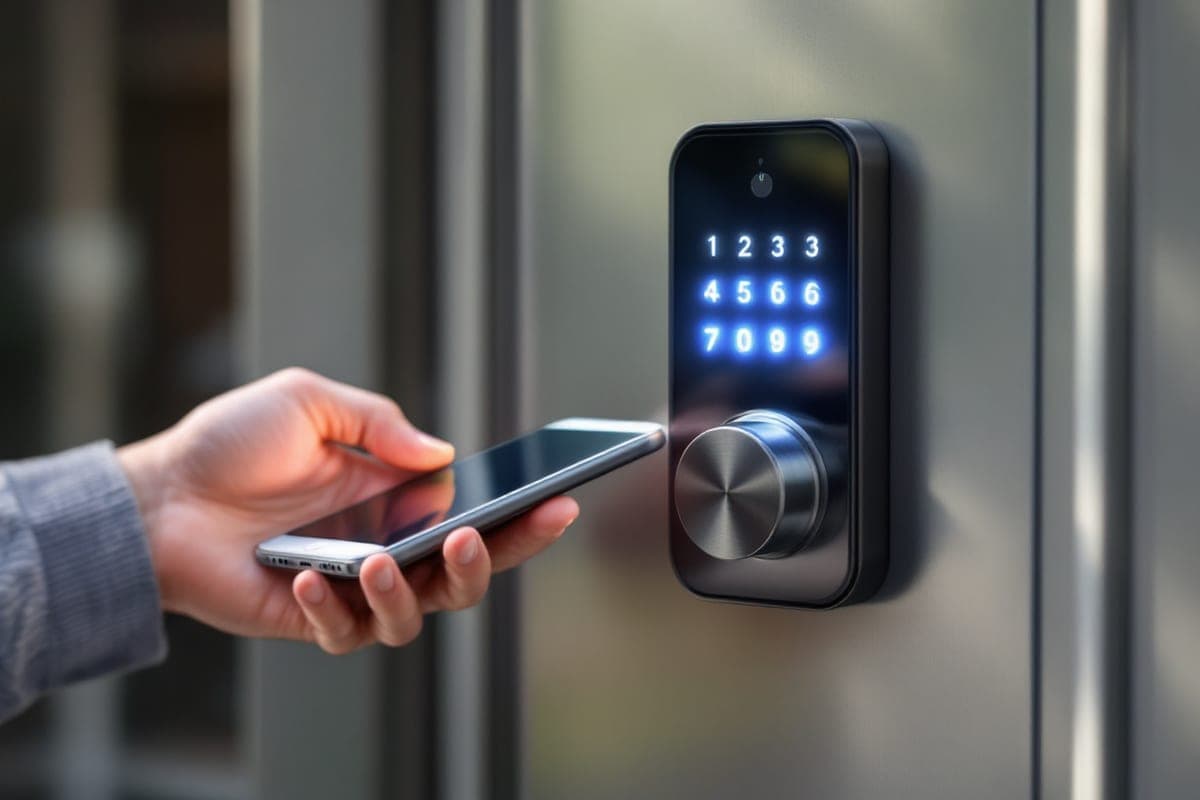
Traditional keys work, but many businesses are moving toward access control installation — keypad entry, key fob or card systems, and mobile-credential systems that let you grant, revoke, or track access electronically. This is especially useful for businesses with high employee turnover, multiple entry points, or a need to know exactly who entered a space and when.
Access control systems can range from a simple standalone keypad on a single door to a networked system tied into your building's alarm and camera setup. When planned correctly, access control reduces the risk that comes with lost or unreturned keys, since credentials can be deactivated instantly instead of requiring an expensive rekey of every lock in the building.
High Security Locks
Standard pin-tumbler locks are fine for low-risk interior doors, but exterior entrances, server rooms, cash-handling areas, and storage of valuable inventory deserve high security locks. These typically feature:
- Patented keyways that make unauthorized key duplication difficult without proof of ownership
- Reinforced cylinders resistant to picking, bumping, and drilling
- Tighter tolerances that resist common forced-entry techniques
Upgrading vulnerable doors to high security locks is often one of the most cost-effective security improvements a business can make, since it targets the most common points of attempted entry without the expense of a full electronic system.
Commercial Lock Rekey Services
If you've recently taken over a lease, gone through employee turnover, or simply lost track of who has copies of your keys, a commercial lock rekey is the fastest way to restore control without replacing hardware entirely. Rekeying changes the internal pins of the lock so existing keys no longer work, while new keys are cut to match the updated configuration.
Rekeying is significantly less expensive than replacing locks outright, and it's a smart standard practice any time:
- A business changes ownership or management
- An employee with key access leaves the company
- Keys are lost, stolen, or unaccounted for
- You want to consolidate multiple lock brands under one key system
Panic Bar Installation
Panic bars (also called crash bars or exit devices) are required by fire and building codes on many commercial exit doors, particularly in spaces with public occupancy like restaurants, retail stores, and assembly spaces. These devices allow occupants to exit quickly by pushing the bar, without needing a key — a critical feature during emergencies.
Panic bar installation isn't just about code compliance, though that matters for passing inspections and avoiding fines. Properly installed panic hardware also needs to integrate with your overall security plan, since an exit-only door is still a potential entry point if the hardware isn't installed and maintained correctly. A locksmith familiar with commercial door hardware will make sure panic devices function smoothly while keeping the door secure from the outside.
Commercial Door Hardware and Storefront Lock Repair
Doors take a beating in commercial environments — heavy foot traffic, delivery carts, weather exposure, and constant use wear down hinges, closers, thresholds, and strike plates far faster than in a home. Keeping commercial door hardware in good repair isn't just about security; it affects energy efficiency, ADA compliance, and the first impression your storefront makes on customers.
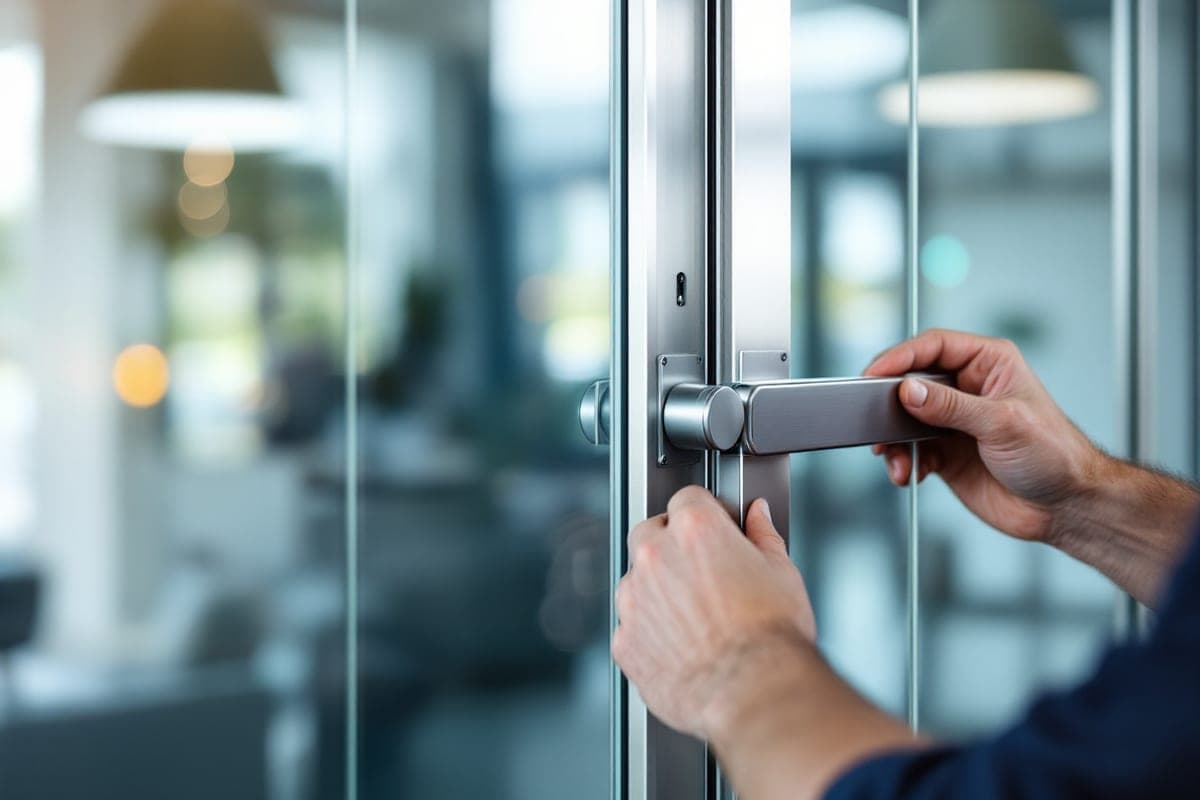
Storefront lock repair is one of the most common calls a commercial locksmith receives, especially for businesses with glass aluminum-frame doors, which use specialized hardware different from residential deadbolts. A misaligned strike plate, a worn closer, or a damaged frame can leave a storefront looking uninviting or, worse, vulnerable to a simple pry-open attack. Routine maintenance checks on door hardware can catch these issues before they become a break-in or a liability claim.
Handling a Business Lockout
A business lockout is stressful in a way that a residential lockout usually isn't — every minute the doors stay closed can mean lost sales, missed deliveries, or employees standing outside unable to start their shift. A few things to keep in mind:
- Call a locksmith who services commercial properties specifically. Not every locksmith carries the tools or experience for commercial-grade cylinders, panic hardware, or storefront door frames.
- Have proof of business ownership or authorization on hand. A reputable locksmith should verify you're authorized to access the property before performing any work — this protects you as much as it protects them.
- Consider what caused the lockout. A broken key, a failed access control reader, or a jammed panic bar each need a different fix, and identifying the cause can prevent a repeat lockout.
Because business lockouts don't wait for convenient hours, a 24/7 mobile commercial locksmith is invaluable for Bay Area businesses that operate early mornings, late nights, or around the clock.
Building a Key Control System
Even the best master key system design falls apart without disciplined key control system practices. A key control system is the set of policies and tools your business uses to track who has which keys, when they were issued, and what happens when someone leaves the company.
A solid key control system typically includes:
- A written log of every key issued, to whom, and on what date
- Restricted keyways that prevent unauthorized duplication at a hardware store
- A clear offboarding procedure requiring key return before final paychecks are issued
- Periodic audits comparing issued keys against current staff rosters
- A plan for rekeying when keys are lost or not returned
Businesses that skip key control often don't realize the problem until a former employee — or someone who borrowed a key from them — shows up after hours. Investing a little time in a documented key control system now saves a much more expensive rekey-everything scramble later.
Choosing a Commercial Locksmith in the Bay Area
Not every locksmith is equipped to handle commercial work. When vetting a commercial locksmith for your business, look for:
- Licensing, bonding, and insurance appropriate for commercial work
- Experience with your specific hardware, whether that's high security locks, electronic access control, or storefront aluminum framing
- Availability that matches your business hours, including emergency and after-hours service
- Mobile service, so technicians can come to you rather than requiring you to remove and transport hardware
- Clear, upfront pricing before any work begins
Chida Locksmith serves businesses throughout the greater San Francisco Bay Area, offering mobile, 24/7 commercial locksmith services from a Fremont, CA base. Whether you're designing a master key system for a growing office, upgrading to high security locks after a break-in attempt, scheduling a commercial lock rekey after a staffing change, or need panic bar installation to pass an inspection, having one trusted locksmith who understands commercial door hardware makes ongoing security far simpler to manage.
Frequently Asked Questions
How often should a business rekey its locks?
Most security professionals recommend rekeying whenever there's a change in who has access — new ownership, a departing employee with keys, or a lost key. Even without a specific incident, many businesses rekey every few years as a general precaution, especially for spaces with high employee turnover.
What's the difference between a master key system and access control?
A master key system uses mechanical keys cut to different levels of a hierarchy, so one key can open several doors while another opens only one. Access control uses electronic credentials (keypads, fobs, cards, or mobile apps) that can be programmed, tracked, and revoked without changing any hardware. Many businesses use both together — mechanical keys for simplicity on some doors, electronic access control on higher-traffic or higher-risk entrances.
Are panic bars required by law for my business?
Requirements depend on your local fire and building codes, which typically factor in occupancy type and capacity. Restaurants, retail stores, and other spaces with public occupancy above a certain threshold are commonly required to have panic hardware on exit doors. Check with your local fire marshal or building department, and have a locksmith familiar with commercial door hardware confirm your doors meet code.
Can a commercial locksmith come to my business outside normal hours?
Yes. A mobile 24/7 commercial locksmith can typically schedule installations, rekeys, or repairs during off-hours specifically so your business doesn't have to close or interrupt operations. This is also essential for emergency situations like a business lockout that happens before opening or after closing.
How do I know if my storefront locks need repair or full replacement?
A locksmith can usually tell during an inspection. Minor issues like a sticking latch, loose strike plate, or worn key are often fixed with storefront lock repair and adjustment. But if the cylinder is worn out, the frame is damaged, or the hardware no longer meets current security standards, full replacement — sometimes paired with an upgrade to high security locks — is the more cost-effective long-term choice.
Protecting your business starts with the right hardware and the right partner to install and maintain it. Chida Locksmith is a licensed, bonded, and insured mobile locksmith serving businesses across the entire San Francisco Bay Area, 24 hours a day. Whether you need a master key system designed from scratch, access control installation, a commercial lock rekey, panic bar installation, or emergency help with a business lockout, our team is ready to help. Call Chida Locksmith today at (510) 690-5660 to schedule a consultation or get fast, reliable service when you need it most. </markdown>
Need a locksmith in the Bay Area?
Chida Locksmith is available 24/7 with fast mobile service and upfront pricing.
(510) 690-5660