Locked Out of Your House? A Calm, Step-by-Step Guide
There's a particular jolt of panic that comes with hearing your front door click shut behind you while your keys sit on the kitchen counter. Whether it happens on your way out for a morning jog, after unloading groceries with your hands full, or late at night after a long shift, a house lockout has a way of making even calm people feel frantic. The good news is that being locked out of your house is one of the most common calls a locksmith receives, and there is a proven, low-stress way to handle it. This guide walks you through exactly what to do, in order, so you can get back inside safely without making the situation worse or paying more than you need to.
Take a Breath and Assess the Situation
Before you do anything else, pause for thirty seconds. Rushing tends to lead to two bad outcomes: forcing a lock and damaging it, or panicking and calling the first number you find online without checking whether it's a legitimate, local mobile locksmith. A home lockout is inconvenient, but it is rarely a true emergency in the safety sense (unless a child, pet, or medical concern is involved on the other side of the door, which changes your priorities immediately — more on that below).
Ask yourself a few quick questions:
- Is anyone or anything inside that needs urgent attention (a child, an elderly family member, a pet, something on the stove)?
- Do I have a phone with me and enough battery to make calls?
- Is it safe where I'm standing (weather, lighting, neighborhood safety)?
- Do I know of any other way into the house?
Answering these honestly will help you decide whether you need an emergency lockout service right now or whether you have a few minutes to work through the lower-cost options first.
Step 1: Check Every Possible Entry Point
Most homes have more than one way in, and it's worth a quick lap around the house before calling anyone. Check:
- Back doors and side doors — many people lock the front door out of habit but leave a side entrance unlocked.
- Windows on the ground floor — a bathroom or kitchen window is sometimes left cracked open.
- The garage — if you have an attached garage, a keypad, garage remote in your car, or even an unlocked service door can save the day.
- A doggy door — not glamorous, but it has bailed out plenty of smaller family members (and occasionally an adult in a pinch).
- A basement or cellar entrance, if your home has one.
Walk the perimeter methodically rather than randomly jiggling handles. It only takes a couple of minutes and it's the fastest, cheapest solution when it works.
Step 2: Think About Who Else Has a Key
Before assuming you're stuck, run through your mental list of spare house key holders:
- A spouse, partner, or roommate who might be nearby or on their way home
- A neighbor you trust with a key
- A family member who lives close by
- A landlord or property manager, if you rent
- A key hidden in a lockbox, if you use one (just be cautious about who might have seen you use it before)
If someone with a spare key can get to you within a reasonable window, this is often the fastest and completely free solution. It's also a good moment to reflect on whether you should set up a spare key situation for the future — more on that later in this guide.
A Word on Hide-a-Key Spots
Fake rocks and under-the-mat keys are extremely well known to anyone who might be casing homes in your neighborhood. If you currently rely on one of these, treat this lockout as a nudge to switch to a coded lockbox mounted somewhere less obvious, or better yet, a spare key held by a trusted person nearby.
Step 3: Call Your Property Manager or HOA (If Applicable)
If you live in an apartment complex, condo, or a rental managed by a property company, many have 24-hour front desk staff, on-call maintenance, or a master key system. This route can be faster and cheaper than calling an outside locksmith, so it's worth a phone call before anything else, especially during business hours.
Step 4: Decide Whether This Is a True Emergency
If a child or pet is locked inside alone, if you smell gas or smoke, or if there's any safety concern, don't wait around trying DIY tricks — call 911 first. Fire departments are equipped to gain entry quickly and safely when there's a genuine emergency, and they will not hesitate to force a door if a life is at risk.
For everyday lockouts — no immediate danger, just an inconvenient locked door — the smartest move is calling a licensed, insured mobile locksmith who can come to you.
Step 5: Call a Licensed, Local Mobile Locksmith
Once you've ruled out the free options, this is where a professional locksmith near me search actually pays off — but do it carefully. The locksmith industry has a well-documented problem with call centers that pose as local businesses, quote a low price over the phone, then show up and demand far more cash once your door is already drilled out. A few ways to protect yourself:
- Look for a locksmith with a real local address and a phone number tied to an established business, not just a generic listing.
- Ask directly: "Are you licensed, bonded, and insured?" A legitimate mobile locksmith should answer without hesitation.
- Get a clear, itemized quote before the technician starts work, not after.
- Avoid anyone who insists your lock "must" be drilled before they've even looked at it. In the vast majority of house lockouts, a skilled locksmith can open the door with non-destructive tools.
Chida Locksmith is a licensed, bonded, and insured mobile locksmith serving the entire San Francisco Bay Area, including Fremont and surrounding communities, with true 24 hour locksmith availability. Because the team travels to you, most calls qualify as same day locksmith service — often within the hour, depending on your location and traffic.
What Actually Happens When a Locksmith Arrives
People are sometimes nervous about what a lockout call involves, so here's a realistic picture:
- Verification of ownership. A reputable emergency lockout service will ask for ID and proof that you live at the address (a piece of mail, a utility bill, or a neighbor who can confirm) before opening anything. This isn't bureaucracy for its own sake — it's a safeguard that protects you from someone using a fake lockout story to get into a house that isn't theirs.
- Assessment of the lock. The technician examines the lock type, age, and condition to choose the least invasive opening method.
- Non-destructive entry. Most residential deadbolts and knob locks can be opened using specialized tools without damaging the door or the lock itself, meaning you won't need a full lock replacement afterward.
- A candid conversation about next steps. If your lock is old, damaged, or was compromised in a break-in attempt, the locksmith should explain your options clearly, including whether it makes sense to rekey locks on the spot.
Step 6: Consider Rekeying or Upgrading While the Locksmith Is There
A lockout is an oddly good moment to think ahead. If you've recently moved into a new home, lost track of who has copies of your keys, gone through a breakup or roommate change, or just don't feel confident about your current lock's condition, ask your locksmith about rekeying locks while they're already on-site. Rekeying changes the internal pins of your existing lock so old keys no longer work, without needing to replace the entire lock hardware — it's often more affordable than people expect and can be done in the same visit.
This is also a natural time to ask about:
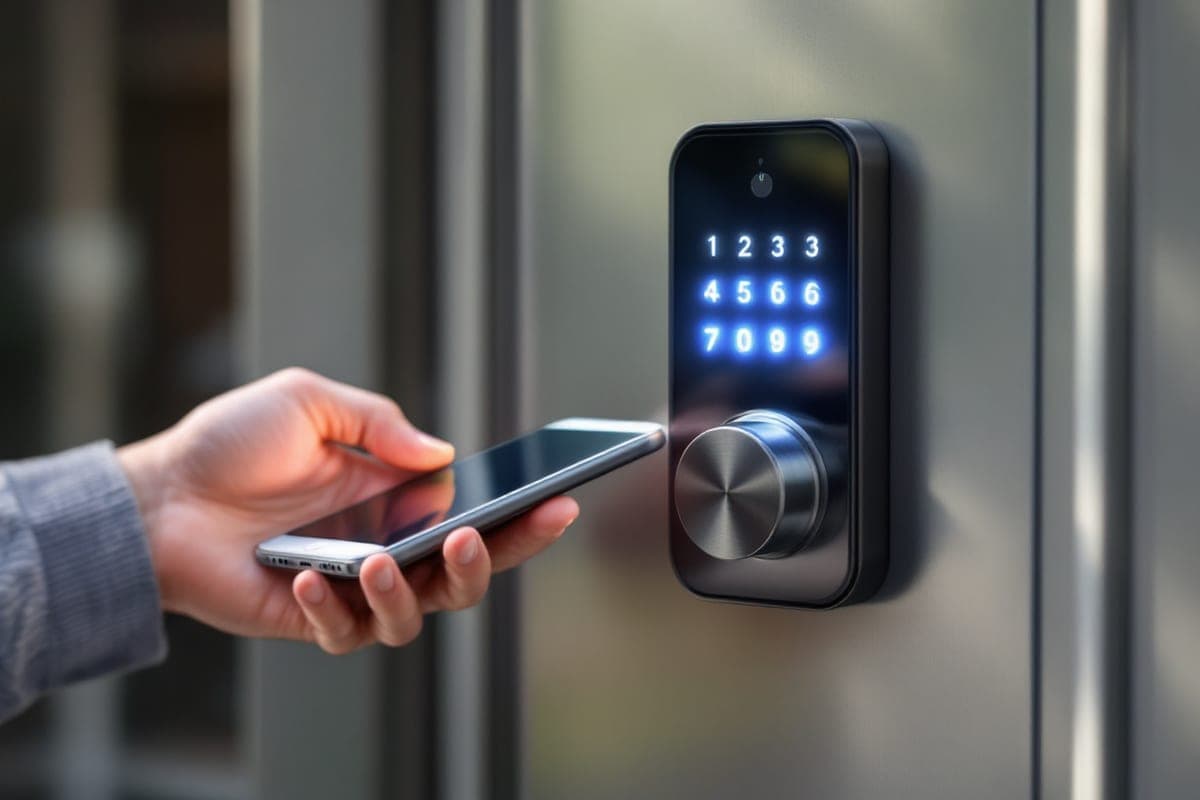
- Upgrading to a smart lock or keypad entry so future lockouts become far less likely
- Adding a second spare house key for a trusted neighbor or family member
- Installing a secure, coded lockbox instead of a hidden spare
- Rekeying all exterior doors to match a single key for convenience
How to Prevent the Next House Lockout
Once you're back inside, take fifteen minutes to lockout-proof your routine. A little prevention goes a long way:
- Make a labeled spare house key and give it to someone you trust who lives nearby.
- Install a keypad or smart lock so you have a backup entry method that doesn't rely on a physical key at all.
- Use a quality lockbox mounted in a discreet spot rather than a fake rock or under the mat.
- Save a trusted locksmith's number in your phone now, before you need it in a panic. Search for a mobile locksmith with real local reviews and licensing rather than scrambling during the emergency itself.
- Get in the habit of a "keys, phone, wallet" check every time you step out, even for a quick errand.
- Keep a hook by the door so keys have one consistent home and don't end up buried in a bag or a coat pocket.
None of these take much effort, but each one meaningfully lowers the odds you'll ever be standing on your own porch in the dark again, waiting for the same thing to happen twice.
Frequently Asked Questions
How much does it typically cost to get help with a house lockout?
Pricing varies by time of day, location, and lock type, but a legitimate locksmith should give you a clear estimate before starting any work. Be wary of any company that refuses to quote a price range over the phone or dramatically raises it once they arrive — that's a common red flag in the industry.
How long does it usually take for a mobile locksmith to arrive?
Because mobile locksmiths travel directly to you rather than working from a storefront, response times in the Bay Area are often under an hour, depending on traffic, time of day, and your specific location. Same day locksmith service is standard for routine lockouts.
Will the locksmith have to drill or damage my lock to get me back in?
In most residential house lockout situations, no. Skilled locksmiths carry non-destructive tools designed to open common deadbolts and knob locks without harming the lock or the door. Drilling is typically a last resort reserved for locks that are damaged, jammed, or have failed internally.
What documentation do I need to prove the house is mine?
A government-issued ID that matches the address, a piece of recent mail, a utility bill, or a lease/deed is usually sufficient. If you don't have any of these on hand, a neighbor who can vouch for you or a landlord who can confirm your tenancy can also work. This verification step exists to protect homeowners, not to create hassle.
Is it worth rekeying my locks after a lockout, even if nothing was broken into?
If the lockout made you realize you're unsure who has copies of your keys, or if your locks are older and show signs of wear, rekeying is a reasonable and often inexpensive precaution. It's a good opportunity to also consider upgrading to a smart lock or keypad for added convenience going forward.
Getting Back Inside, the Right Way
Being locked out of your house is stressful in the moment, but it's also one of the most solvable problems a homeowner can face. Check your other entry points, think through who might have a spare key, and if you need a professional, choose a licensed, bonded, and insured mobile locksmith who can verify your identity, work non-destructively, and explain your options honestly.
Chida Locksmith provides 24 hour locksmith coverage across the greater San Francisco Bay Area, with fast, same day locksmith response for home lockouts, rekeying, and lock upgrades. If you're locked out right now or want to set up a spare key plan before it happens again, call (510) 690-5660 for prompt, professional help.
Need a locksmith in the Bay Area?
Chida Locksmith is available 24/7 with fast mobile service and upfront pricing.
(510) 690-5660